
Building Water Partnerships: Texas and Ukraine Exchange Knowledge at the Bureau
A delegation of Ukrainian governmental water officials gathered at the Bureau of Economic Geology this past week for a two-day water science and planning symposium, meeting with many of the biggest names in Texas water, including researchers from the Bureau. The group has spent the past 20 days traveling the United States to observe American water projects firsthand, covering more than 9,500 miles in the process, according to Dhaval Vyas of the Department of the Interior’s Office of International Affairs, a key partner in the program. The trip's ultimate goal: helping Ukraine meet the river basin planning standards required for eventual membership in the European Union.
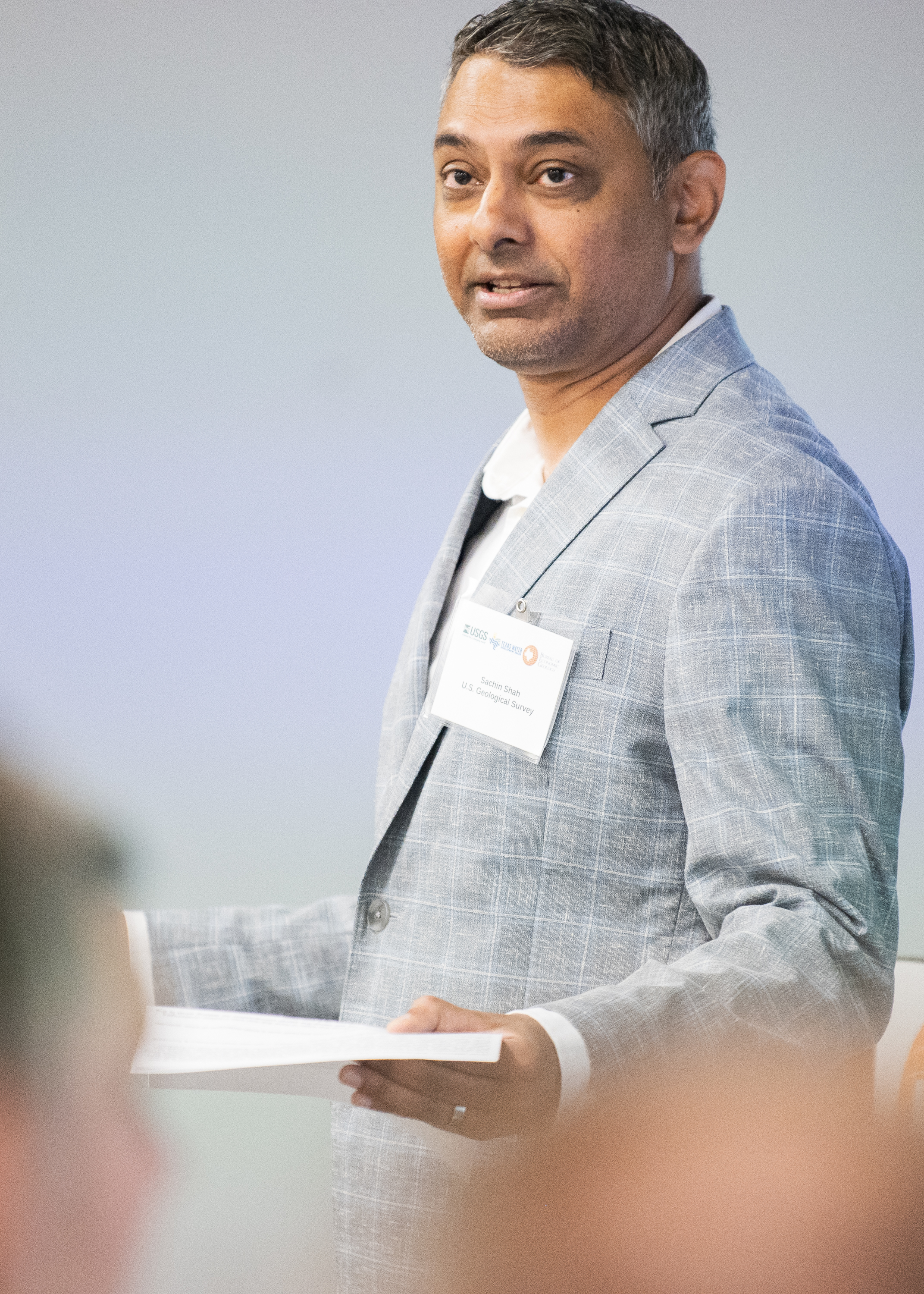
But why was the Bureau in Austin chosen as the final stop? Certainly, the proximity to experts at UT Austin and across state agencies was a compelling factor. Yet, as Sachin Shah, a scientist with the U.S. Geological Survey specializing in the intersection of water resources, socioeconomics, and public policy who helped coordinate the event explained, "To have it here in Texas has everything to do with our Texas water planning: the challenges, the successes, the gaps, and our water plan (for the) future. Texas has done a fantastic job in all of these things," and he believes moving forward there is an opportunity to learn from one another and explore what the future of water management could look like, both in Texas and in Ukraine.
The aim over the two days was to "translate which Texas practices apply to Ukraine and vice versa," and to "produce concrete water science and planning content that Ukraine can take home. That doesn't necessarily mean that it could be used tomorrow, but it could be used in five, ten, 15 years from now," Shah said in his opening remarks to the group. A third objective was to establish a durable Texas-Ukraine international partnership.
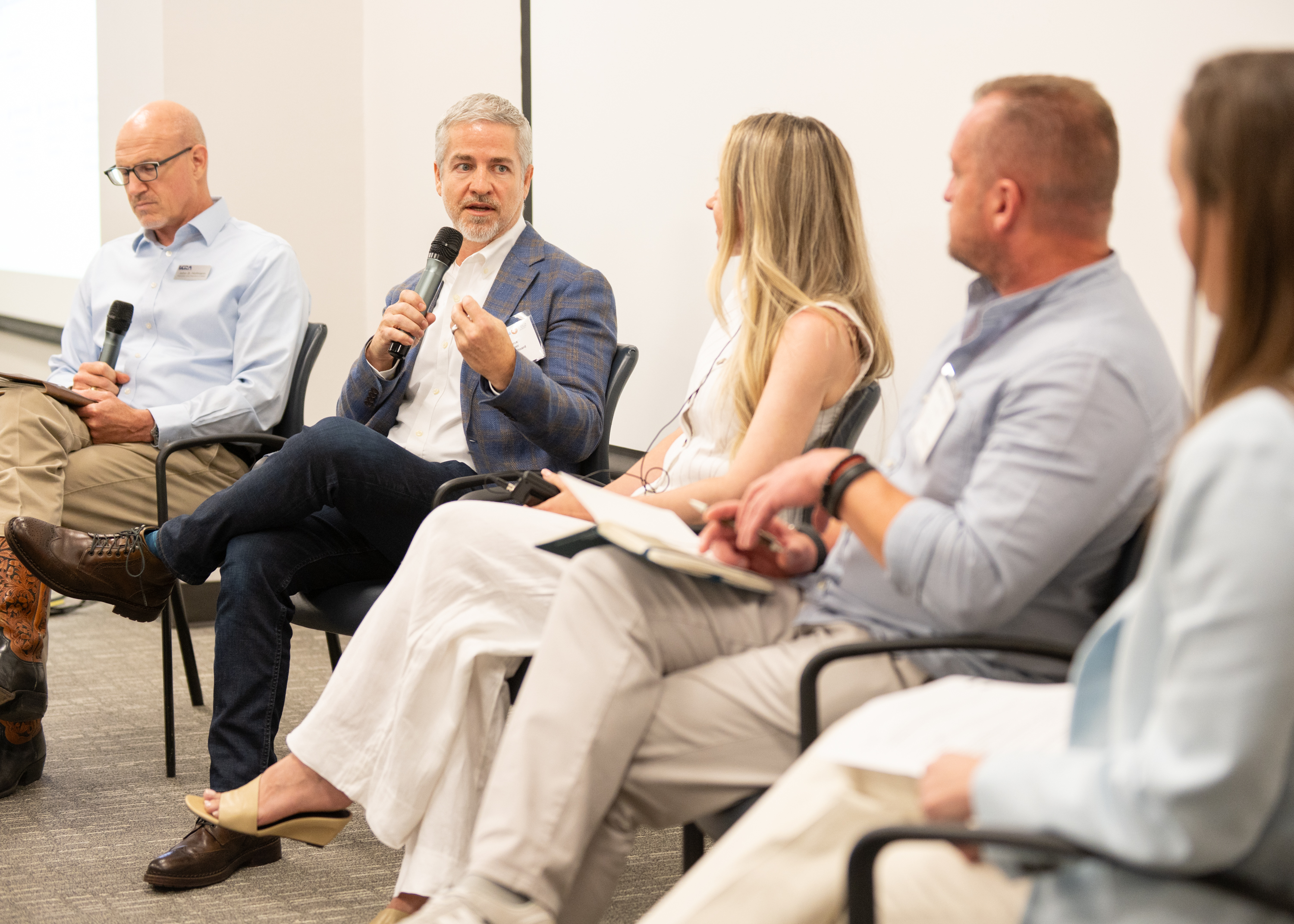
After two days of discussions, panel sessions, and collaborative working groups, participants made meaningful progress toward many of the workshop’s objectives, while also identifying areas where additional work is needed. For Brian Hunt, a Bureau hydrogeologist who participated in the event, one of the biggest challenges was not the language barrier, but knowledge gaps.
"The biggest thing was actually not the language—it was our limited understanding of the science behind their hydrogeology and surface water systems," Hunt said. "There was simply a lack of knowledge about what conditions are like over there."
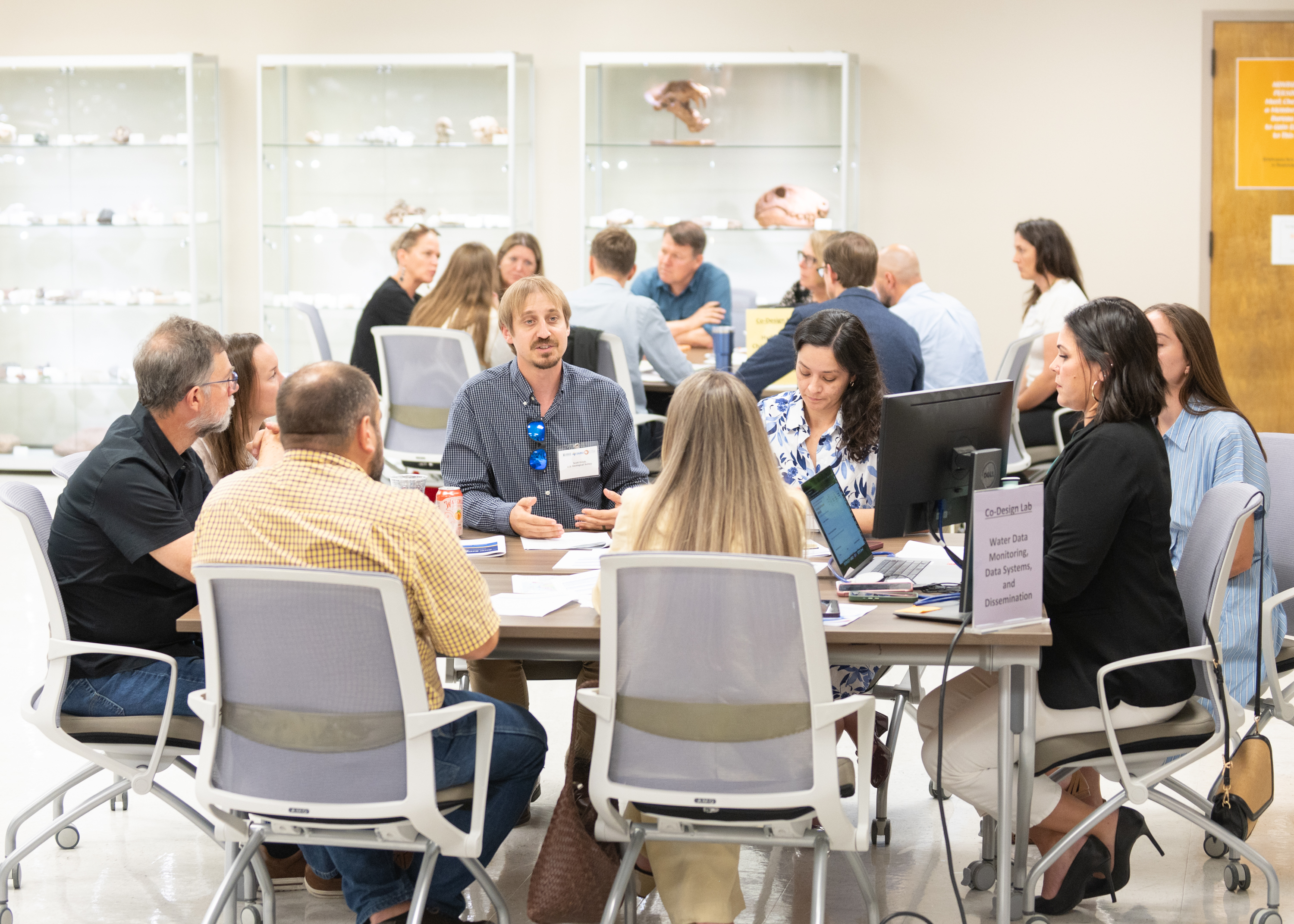
Despite those challenges, Hunt believes the workshop delivered significant value. "I think there was definitely benefit," he noted. "The [Ukrainian delegation] was able to see firsthand elements of water infrastructure, water planning, and water availability that they can take back and adapt to their own circumstances."
Equally important, he emphasized, were the professional relationships established during the meeting. The connections forged between Texas and Ukrainian experts are expected to remain valuable as Ukraine continues the long-term work of rebuilding and strengthening its water resources infrastructure.

