
Training the Next Generation of Energy Leaders and Geoscientists
In June, two groups of students with a shared interest in energy visited the Bureau of Economic Geology to learn how geologists study the subsurface. The first group came through the Kay Bailey Hutchison Energy Center's energy management minor program, bringing together UT undergraduates from a wide range of majors to explore different aspects of the energy sector over the summer. The second group participated through the Jackson School’s NextStep Geosciences program, which provides students with hands-on exposure to geoscience research and professional opportunities. The cohort included students from several UT schools as well as institutions outside the university, bringing together participants with diverse academic backgrounds and interests in the geosciences.
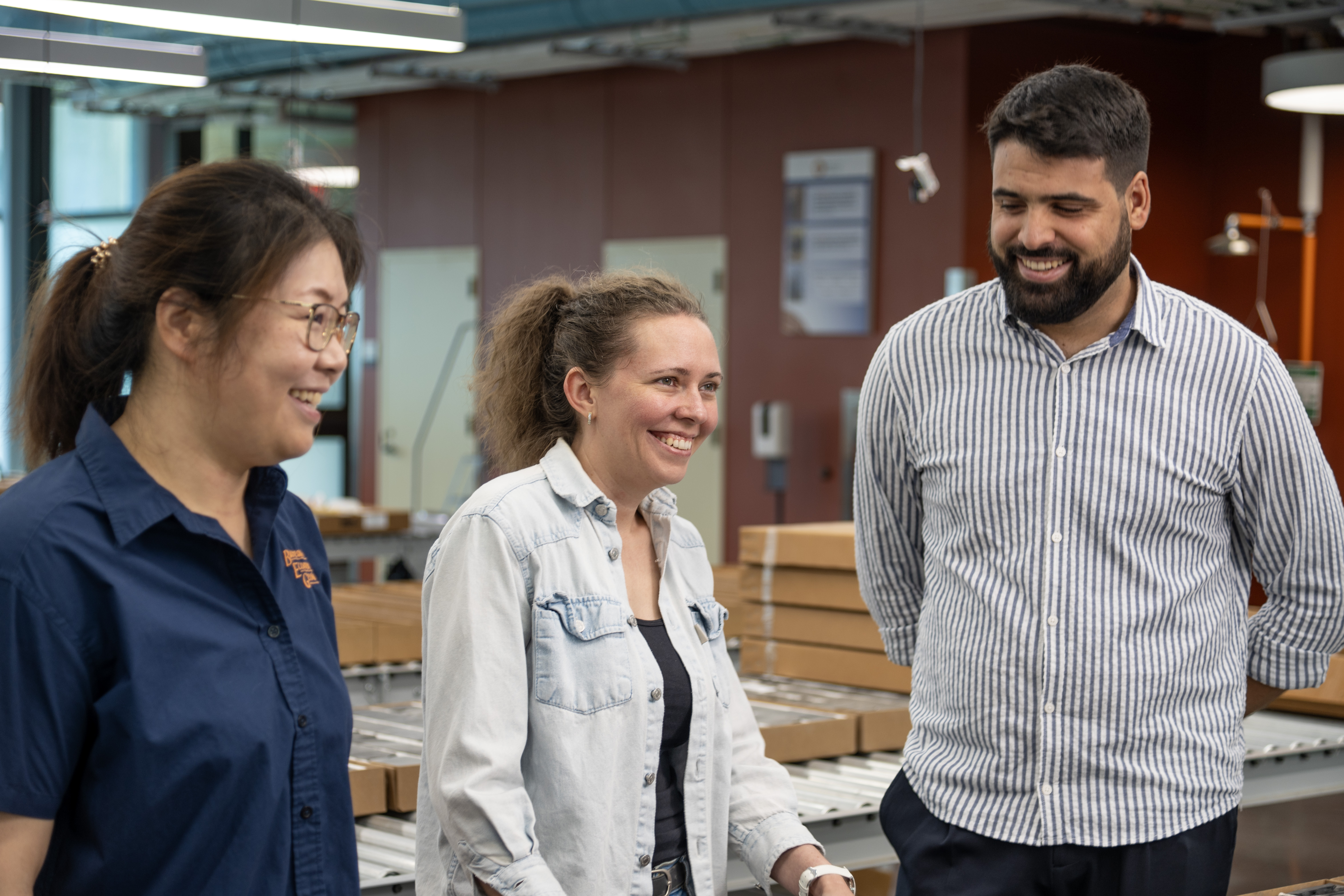
Both groups spent their visit looking at rows and rows of rock, "core," pulled up from wells drilled thousands of feet into the subsurface. These pieces of core give one of the few direct glimpses of the ground under our feet. It is not only oil and gas production that happens in the subsurface. Geothermal energy harnesses heat stored in underground rocks and fluids, hydrogen can be produced and stored below ground, and carbon dioxide can be injected into oil reservoirs to boost oil production while permanently storing CO₂. Many people depend on fresh water that originates from aquifers in the subsurface.
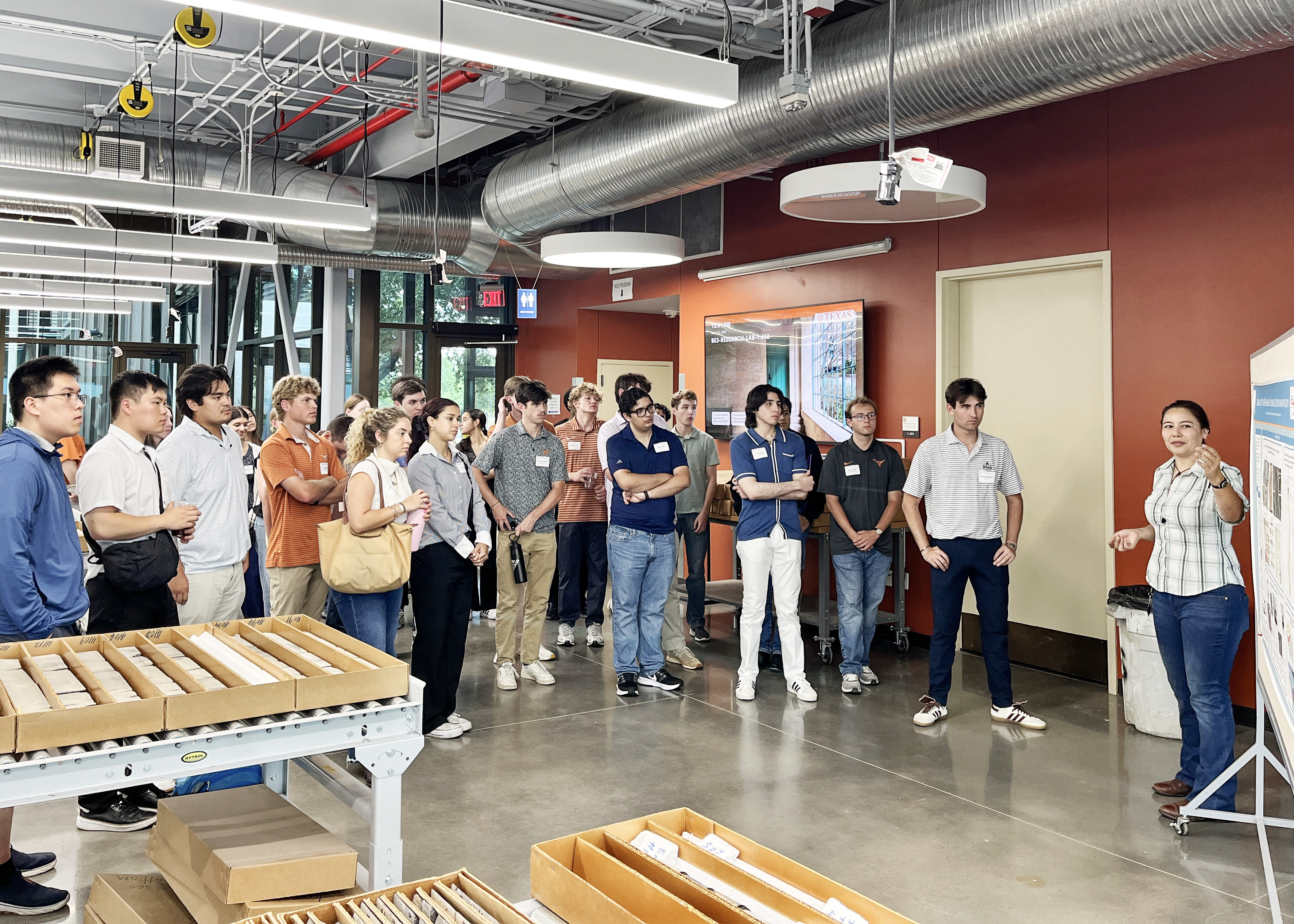
The Bureau has one of the largest core repositories in the world, and helping people understand the value of core is one of its major missions. "For us, it's an opportunity to show undergrad students—who are not necessarily geology majors and may have never seen [core] before—what geologists do with rocks and what kind of information we can extract from them," said Dr. Lucy Ko, a Bureau research assistant professor and one of the core workshop leaders.
Bureau scientists Naim Celini, Orsolya Gelencser, Kelly Hattori, Bob Loucks, and Rob Reed walked students through how unconventional shale production revitalized the oil and gas industry in the United States, and the challenges with produced water that same production has created in places like the Permian Basin of West Texas.
Other talks highlighted how underground salt formations can be used to create large storage caverns for energy resources such as hydrogen and natural gas. By examining salt cores, students learned how different salt deposits formed and why their characteristics matter. These geologic differences influence how storage caverns are designed and how safely and effectively they can be used to store energy underground.
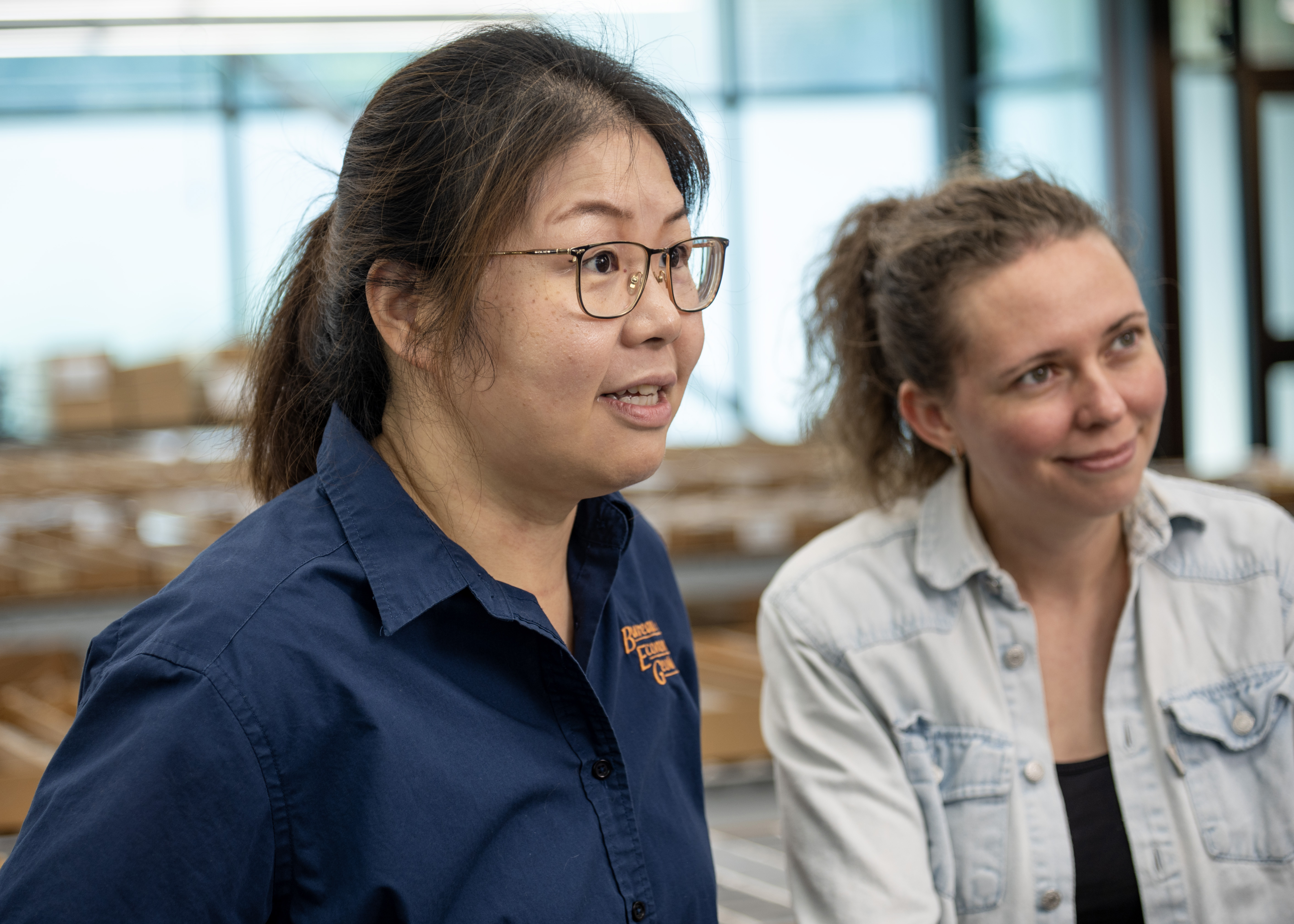
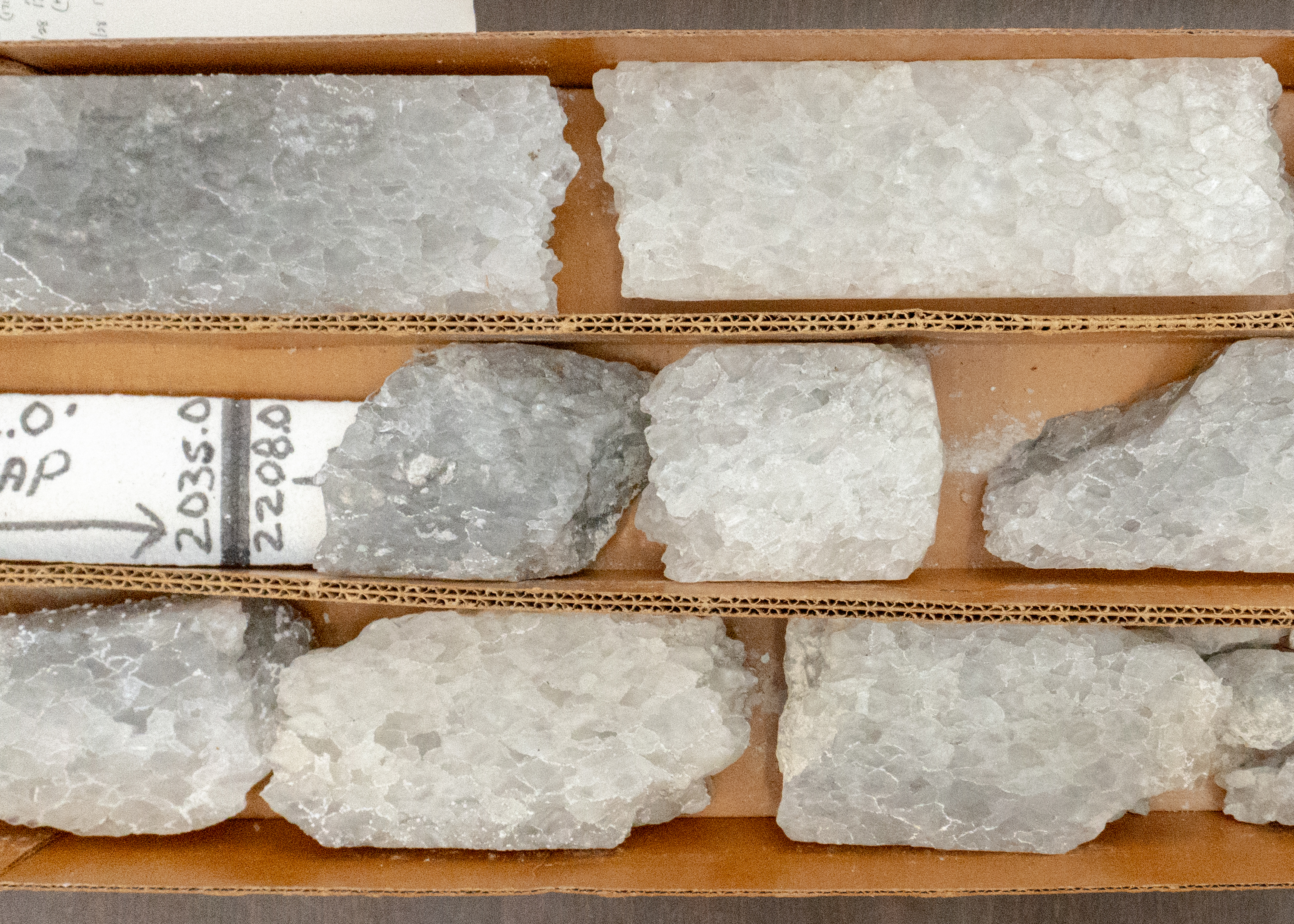
Beyond energy, the cores hold even more information. Millions of years of climate history are recorded in the rock, offering a look at what conditions on Earth may have been in the distant past.
“It’s important to keep collecting cores—that’s the message we want to deliver—and to learn as much as possible from them, because drilling wells and recovering core samples is very expensive,” Ko said. “These students could become the policymakers, managers, and decision-makers of the future. It’s important for them to understand the value of core data because it can help inform decisions about energy and natural resources based on evidence rather than assumptions.”

