
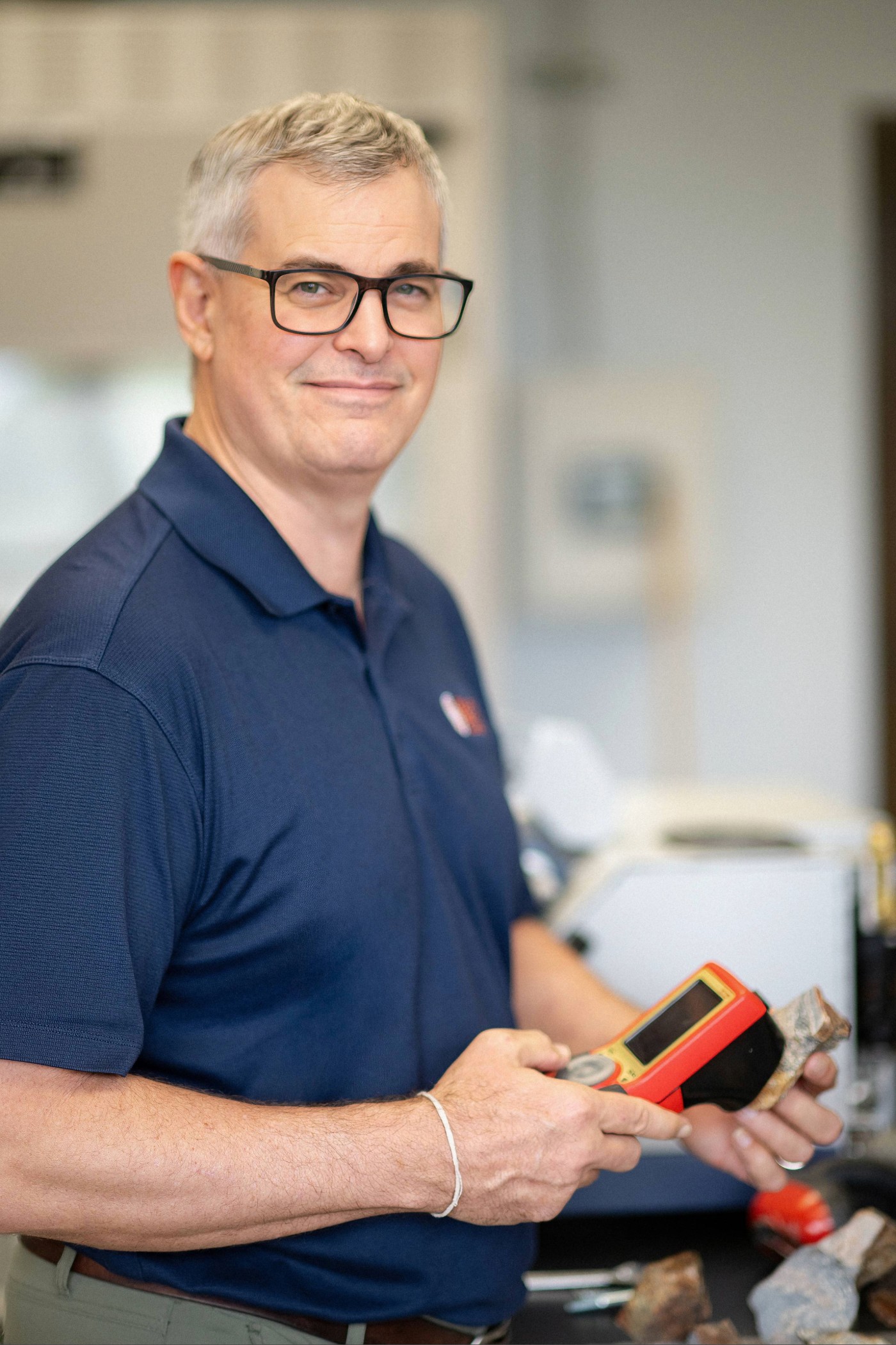
Demand for critical minerals and rare earth elements (REEs) is rising fast. To address the increased need for these materials, the Department of Energy launched the Carbon Ore, Rare Earth, and Critical Minerals (CORE-CM) Initiative in 2021 to quantify and support production of resources within the U.S. The Bureau of Economic Geology has led the Gulf Coast assessment since the program’s first phase. Now, the project is moving into a second phase, funded at $7.5 million, that adds new waste streams and moves past simple resource characterization toward real-world economic feasibility, pilot extraction, and connecting future supply with buyers.
“DOE wants to realize the potential, not just say that we have something here,” said Brent Elliott, a research professor at the Bureau and the lead on the Gulf Coast work. “They want to say, ‘Okay, is it economical, and what’s it going to take to get it to the point where we can start actually producing a domestic supply on the market?’”
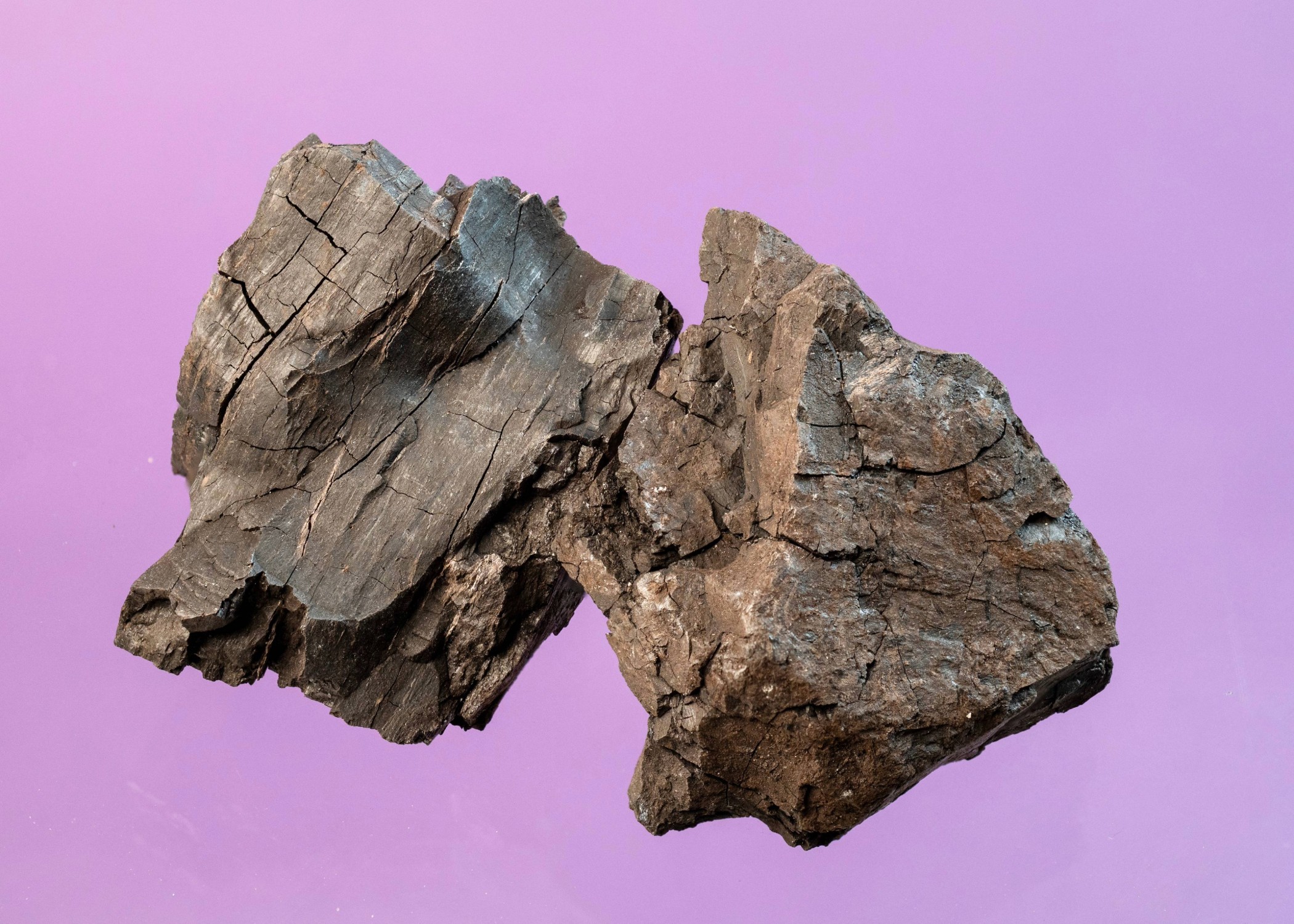
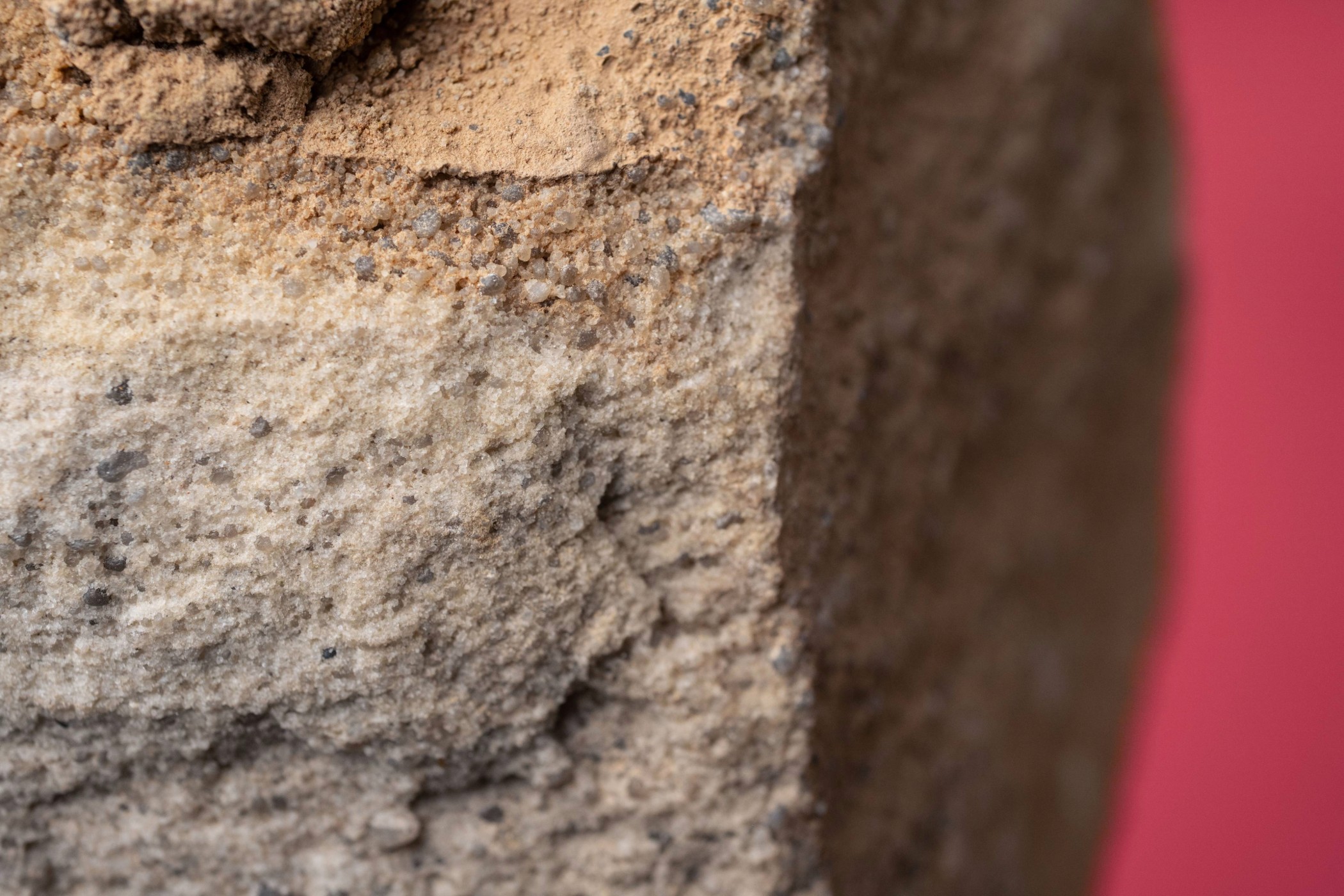
While keeping part of Phase 1’s focus on coal and coal ash, Phase 2 looks at other industrial sources of critical minerals and REEs. Brines produced in oil and gas extraction contain lithium and other critical minerals. Elliott said red mud, the residue left from aluminum processing, contains roughly 0.2% to 0.3% total rare earth elements in the Gulf Coast. Central Texas sands once mined for hydraulic fracturing contain 1% to 2% heavy minerals, including zircon, monazite, and titanium minerals. A simple mechanical separation can concentrate them to about 4% rare earths.
One advantage of waste streams is time. “Permitting mines takes 10 years to get something going,” Elliott said. “If we already have infrastructure and we already have a resource that we can easily get to—Texas has something like 20,000 or more abandoned wells just sitting there—that would be a great opportunity.” He described using existing wells to circulate fluid and leach metals from formations such as the Eagle Ford Shale, and said biological and engineered-enzyme methods could help target specific elements.
As the project moves forward, researchers at the Bureau are teaming up with specialists across UT Austin and partner institutions, including Texas Tech University, Stephen F. Austin State University, New Mexico Tech, the University of North Dakota, and the University of Alabama. Bureau researchers will also work to identify mineral hotspots in oil and gas basins. “There is still characterization and assessment,” Elliott said of the current phase, “but it’s bringing that to the point of extraction and then eventually commodity development.”

