
Bureau Members Invited to Speak to Texas Legislature
With the 90th Texas Legislative Session slated to start in January of next year, representatives are seeking input on energy-related issues in the state. On Monday, September 14th, five members of the Bureau headed to the State Capitol building to provide expert testimony to the House Committee on Energy Resources. The committee, chaired by Representative Drew Darby, has jurisdiction over all matters pertaining to the production, regulation, conservation, and development of the state’s energy and mineral sectors, including oversight of regulatory agencies like the Railroad Commission. This particular day the members were hearing testimony on carbon capture utilization and storage (CCUS), produced water, and seismic activity related to injection wells.
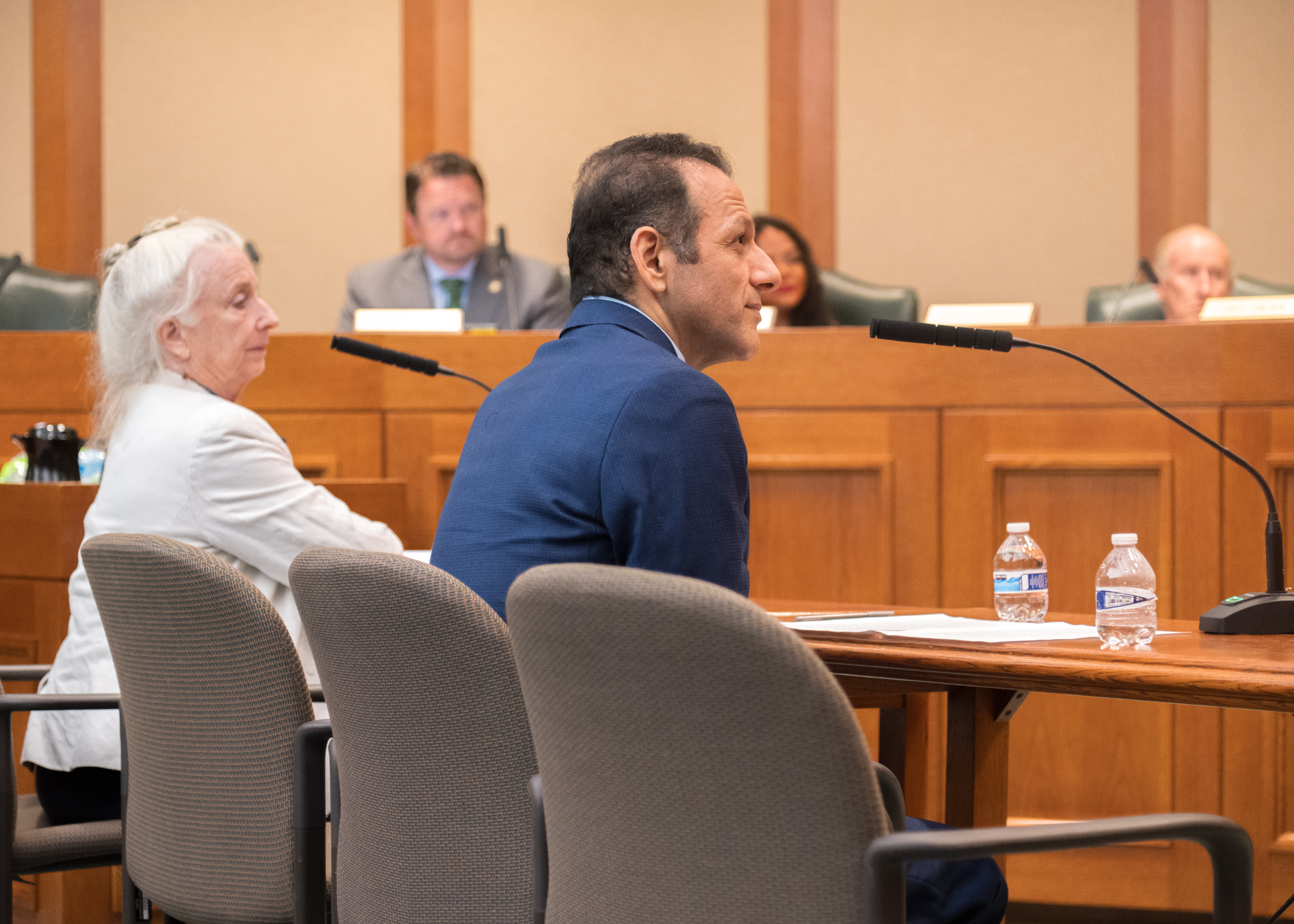
Susan Hovorka, one of the principal investigators of the Gulf Coast Carbon Center, and Seyyed Hosseini, the Associate Director of the Bureau’s Environmental Division, spoke on behalf of CCUS, providing the committee with expertise gleaned from decades of experience in the field on both CCUS and CO2 enhanced oil recovery projects. “We have information on hundreds of injection projects with thousands of wells—[the technology] has been successful,” said Hovorka, who went on to explain that at current planned levels there is adequate subsurface pore space for CO2 injection in Texas. However, she cautioned that managing the pressure levels in the subsurface is vital. Stressing the importance of oversight and regulation, Hovorka added, “As we have more [CCUS projects] this will become a larger issue—how the common use of a commodity is distributed correctly.”
Hosseini elaborated on Hovorka’s comments about the need to understand subsurface pore pressure and highlighted how Texas is positioned to be a leader in CCUS: “We have the geology, we have the energy infrastructure, we have the industrial base, and…we have the talent, expertise, and people that work on these projects.” The Bureau has extensive experience in a wide variety of carbon management projects including the use of CO2 for EOR operations.
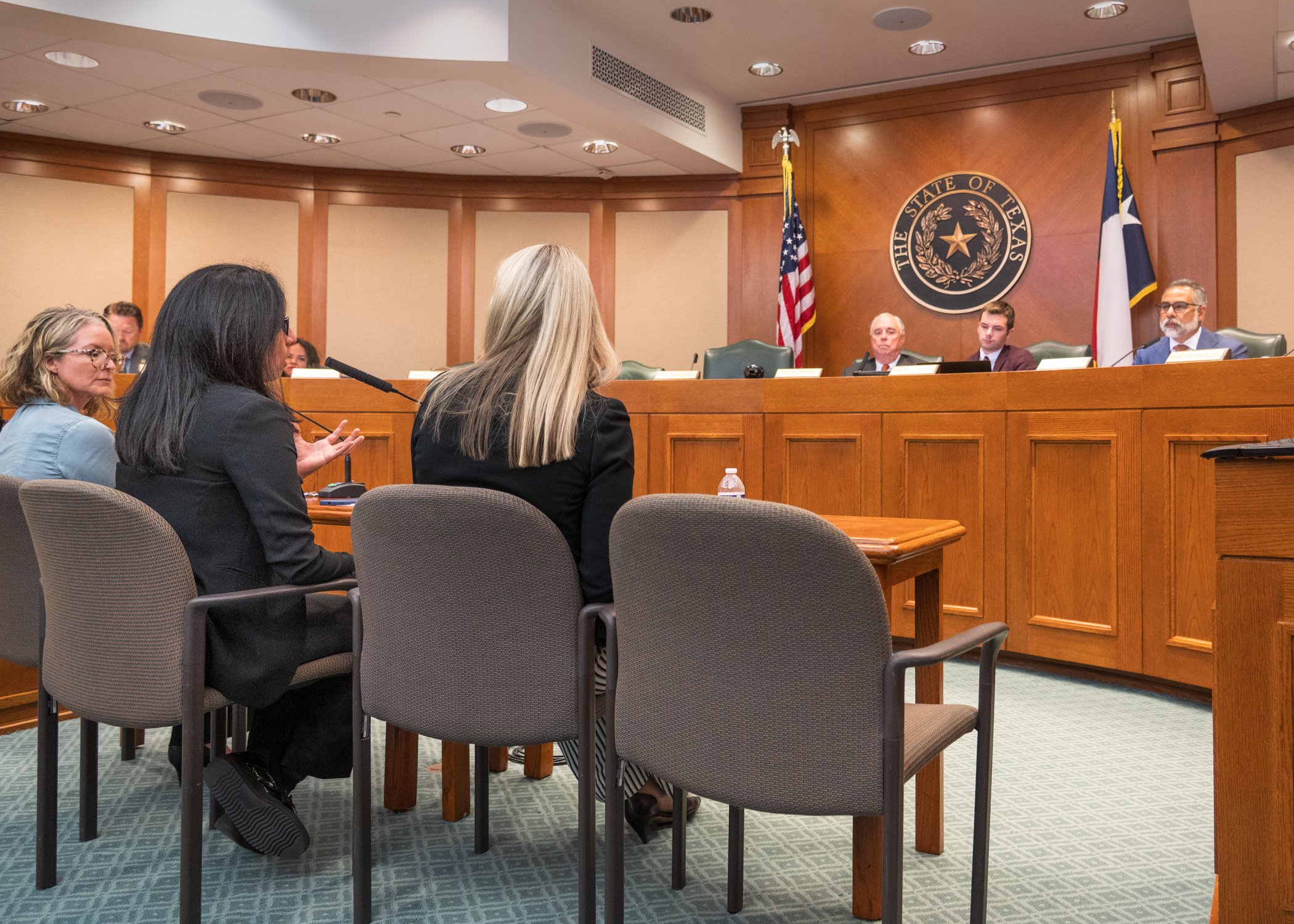
On the subject of produced water, Lorena Moscardelli, Director of the Bureau, focused on the management challenges it presents: “There is an important reality that, in my humble opinion, is often overlooked. Today, there is a substantial mismatch between the volume of water requiring management and the capacity of available treatment technologies…We need to handle approximately 15 million barrels of produced water a day [in the Permian Basin]…Even some of the most advanced treatment facilities operate at capacities measured in the 10’s of thousands of barrels per day—not millions.” Moscardelli promoted a phased approach to handling this large volume of water: continue investing in treatment options, increase research of the subsurface to handle what needs to be injected, and invest in infrastructure to move produced water to areas favorable for disposal. “We must continue improving our understanding of the subsurface and identifying where produced water and treatment residuals can be disposed of safely and cost effectively” Moscardelli added.
Katie Smye, a principal investigator of the Bureau’s Center for Injection and Seismicity Research, spoke to the technical side of produced water injection. One success has been a shift away from deep well injection after research showed it to be a major driver of increased seismic events. However, shallow injection is not without problems. Increased pressure in shallow formations stresses old “legacy” wells in the region. According to Smye, “When [a well] fails, it can serve as a direct pathway from the injection reservoir to groundwater resources and to the ground surface itself. This is not a hypothetical—we have already seen several uncontrolled flows of brine released at the surface in recent years.” Echoing comments from both Hovorka and Moscardelli, Smye emphasized the importance of managing pore pressure in the shallow subsurface and using science to guide where safe injection can happen.
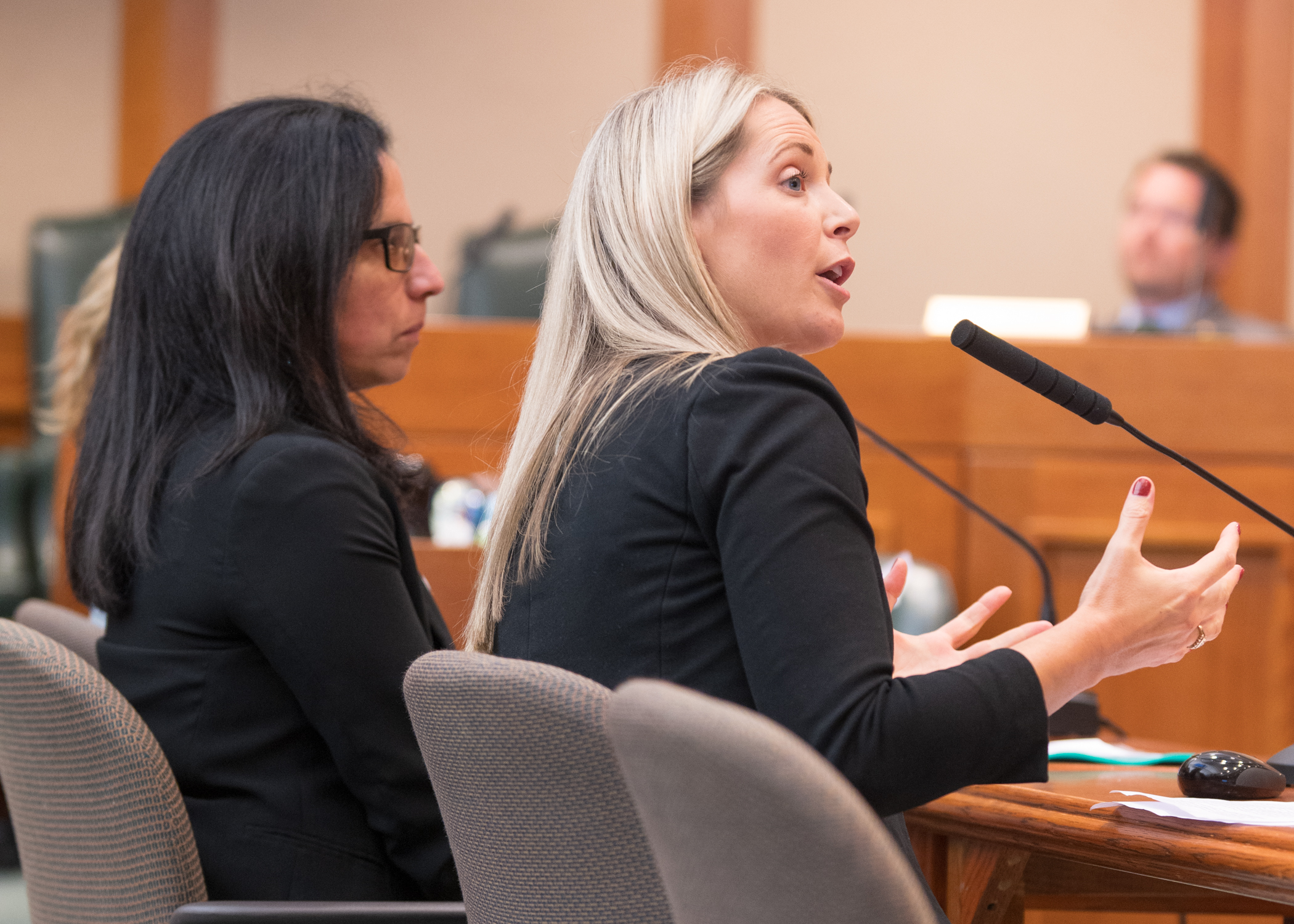
Rounding out the day was Alexandros Savvaidis, the principal investigator of TexNet, speaking on monitoring seismicity in the state. “In Texas, seismicity tied to injection activity is not a historical footnote,” he said, pointing out that while seismic activity has decreased overall due to mitigation efforts like those mentioned by Smye, large events still happen. On the subject of CCUS, Savvaidis spoke to the differences between produced water and injected CO2, and how a seismic monitoring program should be tailored to the specific target: “[They] are distinct fluids with different physical properties and subsurface behavior.”
Relaying scientific findings to the legislature is a mission the Bureau takes seriously. The Bureau has served the state for over 100 years, and providing expert testimony to the Texas government is one fundamental aspect of that. This enables the legislature to enact policy rooted in science that will help address some of the major issues facing the State today.
Video of the meeting can be viewed here: https://house.texas.gov/videos/22739
Speaker times:
- Susan Hovorka: 1:29:47
- Seyyed Hosseini: 1:36:55
- Lorena Moscardelli: 6:02:21
- Katie Smye: 6:09:27
- Alexandros Savvaidis 7:42:40

