
Establishing a Nationwide Subsurface Resource Cooperative
A first-of-its-kind report assessing the energy and mineral resources of the United States was released in August by the National Petroleum Council (NPC). Far more than hydrocarbons, the report, "American Resources for a Secure Future: A National Cooperative Subsurface Assessment Program” touches on a vast array of subsurface resources.
"This may be the first study [by the NPC] that has embraced all subsurface resources, not just oil and gas, but essential minerals, pore space storage, coal and emerging resources like geothermal and geologic hydrogen," said Mark Shuster, Deputy Director of the Energy Division at the Bureau and one of the co-chairs of the report.

The subsurface influences just about every aspect of our lives. For many, it is the source of their drinking water, the oil and gas that powers transportation and electricity, a source of aggregate minerals for construction, and critical minerals for technology. It is a place we can store energy for the future. It is where earthquakes originate. All that is to say, understanding the subsurface is of critical importance.
Shuster explained how the idea—the seeds of which started with Bureau Director Emeritus Scott Tinker and Alabama State Geologist Nick Tew—grew into a comprehensive report. "We ended up with over 50 subject matter experts across state geological surveys, industry—including mining—and national labs. The intent was to say: look, this is essentially a program that could raise the tide not only for the federal agencies involved, but also for state geological surveys, national labs, and universities." “The desire is to have an overarching national cooperative subsurface assessment program focusing on data, technology, workforce, and the assessments themselves,” Shuster added, describing the “four pillars” that make up the foundation of the proposed assessment program.
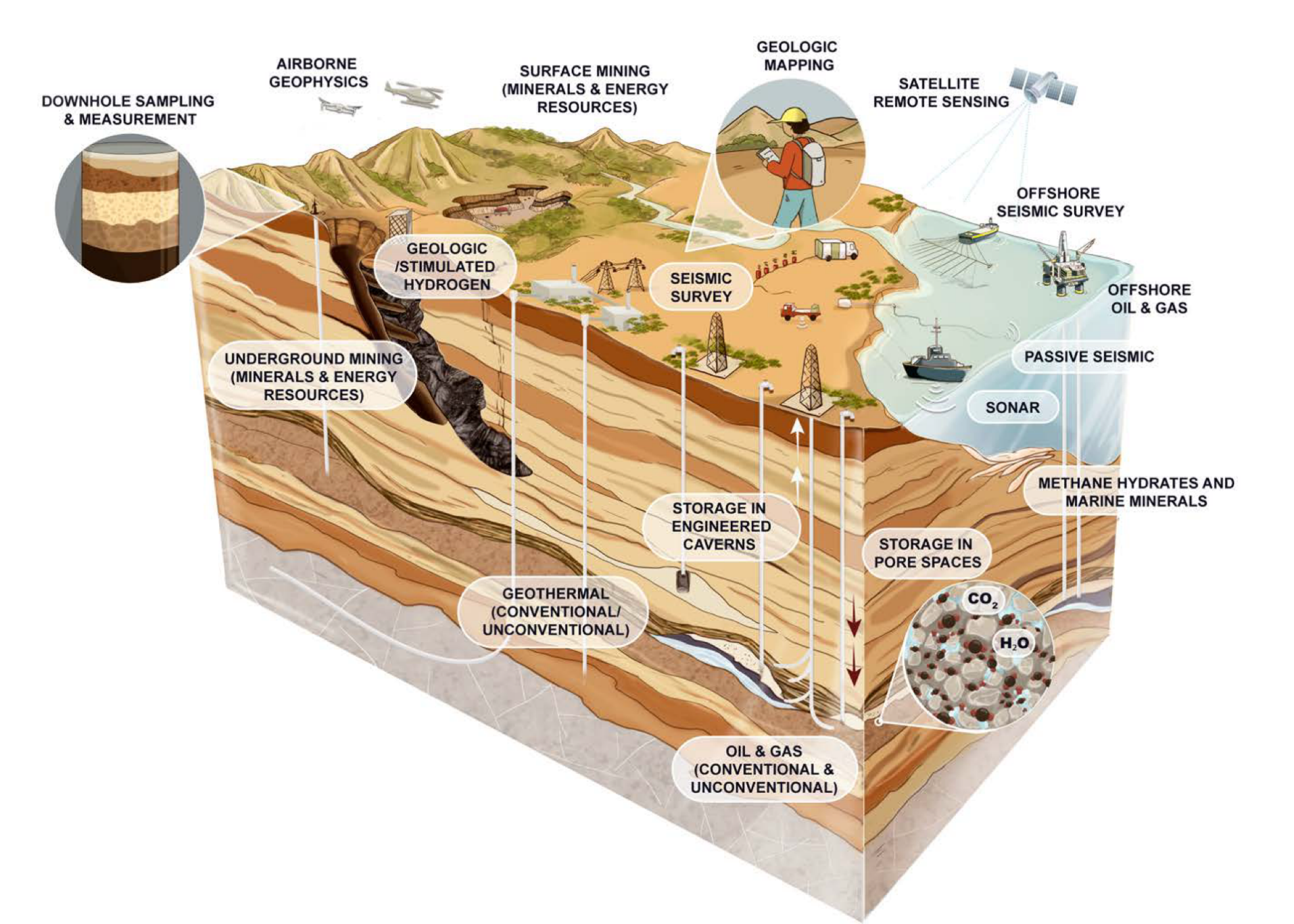
Many different state and federal agencies, academic institutions, and industries collect overlapping or similar data. Sharing this isolated data would make it highly useful for other applications. “If you collect data, let’s say for oil and gas, you can use that same data for geothermal evaluations, you can use them for mineral evaluations. There are synergies in better utilizing and coordinating how you use the data.”
As for technology, Shuster highlighted that rapid developments in machine learning and artificial intelligence over the last few years have the potential to offer fresh insights. “Technologies get updated, they evolve, and so an assessment that was done 10 years ago with a given suite of technologies could be significantly different than ones done today.”
Even with data and sophisticated technology to analyze it, you still need a skilled workforce to make sense of it all—an area Shuster noted is currently lacking. “There are not a lot of people that have the skills to work in the subsurface. It requires not only skill and understanding of the geology, but also understanding of engineering concepts, and the experience to be able to work with these data and put together complex models of the Earth.”
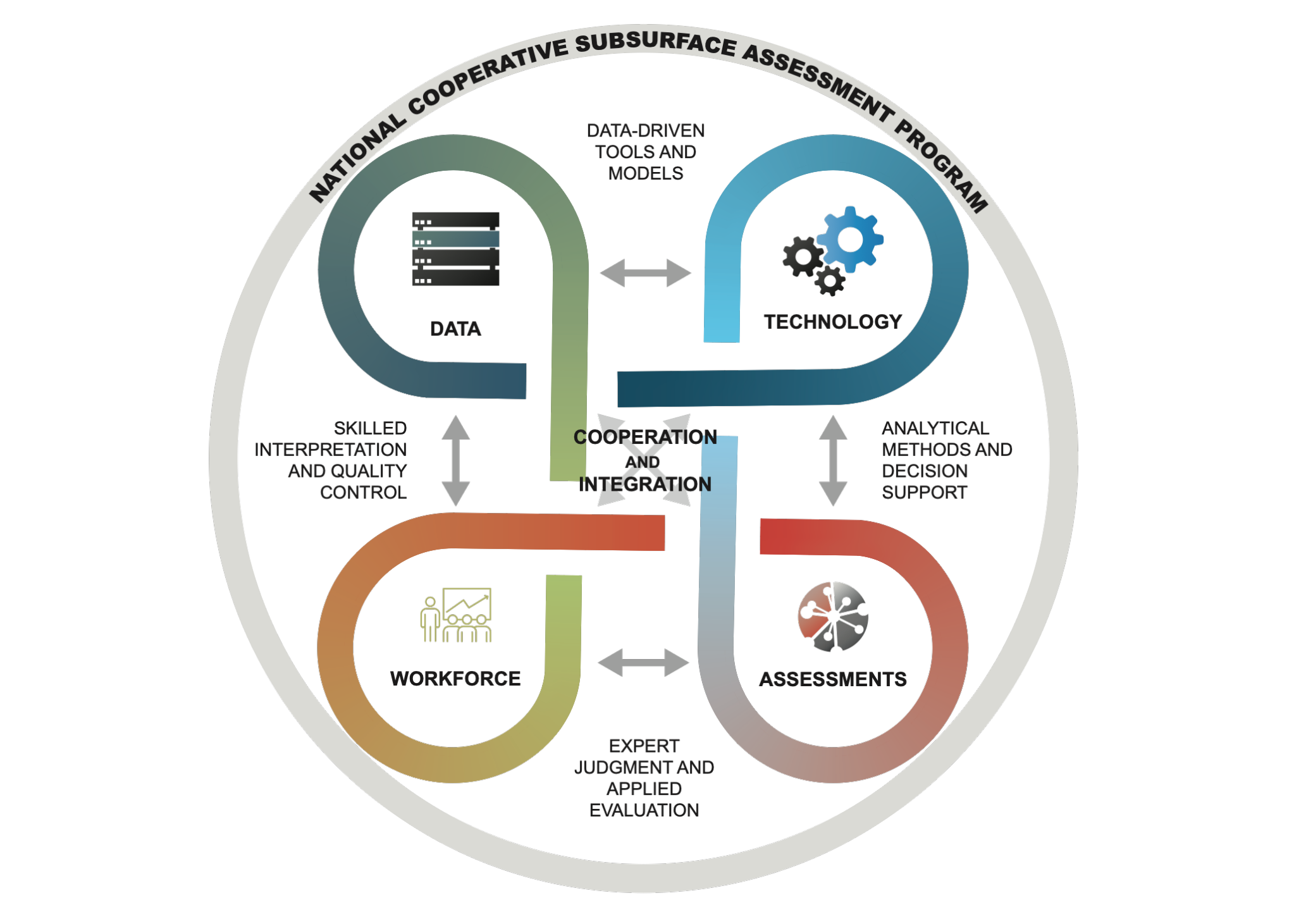
The report covers these areas in detail, delivering recommendations directly to the Department of Energy and making a push to establish a national cooperative program for the subsurface. Other nations, like Australia, have implemented similar national data-coordination initiatives with remarkable success in stimulating domestic energy and mineral investment.
"I am incredibly proud of Mark Shuster's leadership and the many experts who contributed to this landmark effort," said Lorena Moscardelli, Director of the Bureau of Economic Geology. "The study highlights a simple but critically important reality: our ability to responsibly develop energy, water, mineral, and storage resources depends on how well we understand the subsurface. As the nation seeks to strengthen energy security and resource resilience, continued investment in subsurface science, data systems, and workforce development is essential. These findings are especially timely as the National Petroleum Council prepares to release its Produced Water report later this year, another effort that underscores the strategic importance of subsurface knowledge to the nation's future."

